Frequently asked questions
Which waterproofing system is suitable for an exposed roof in Singapore?
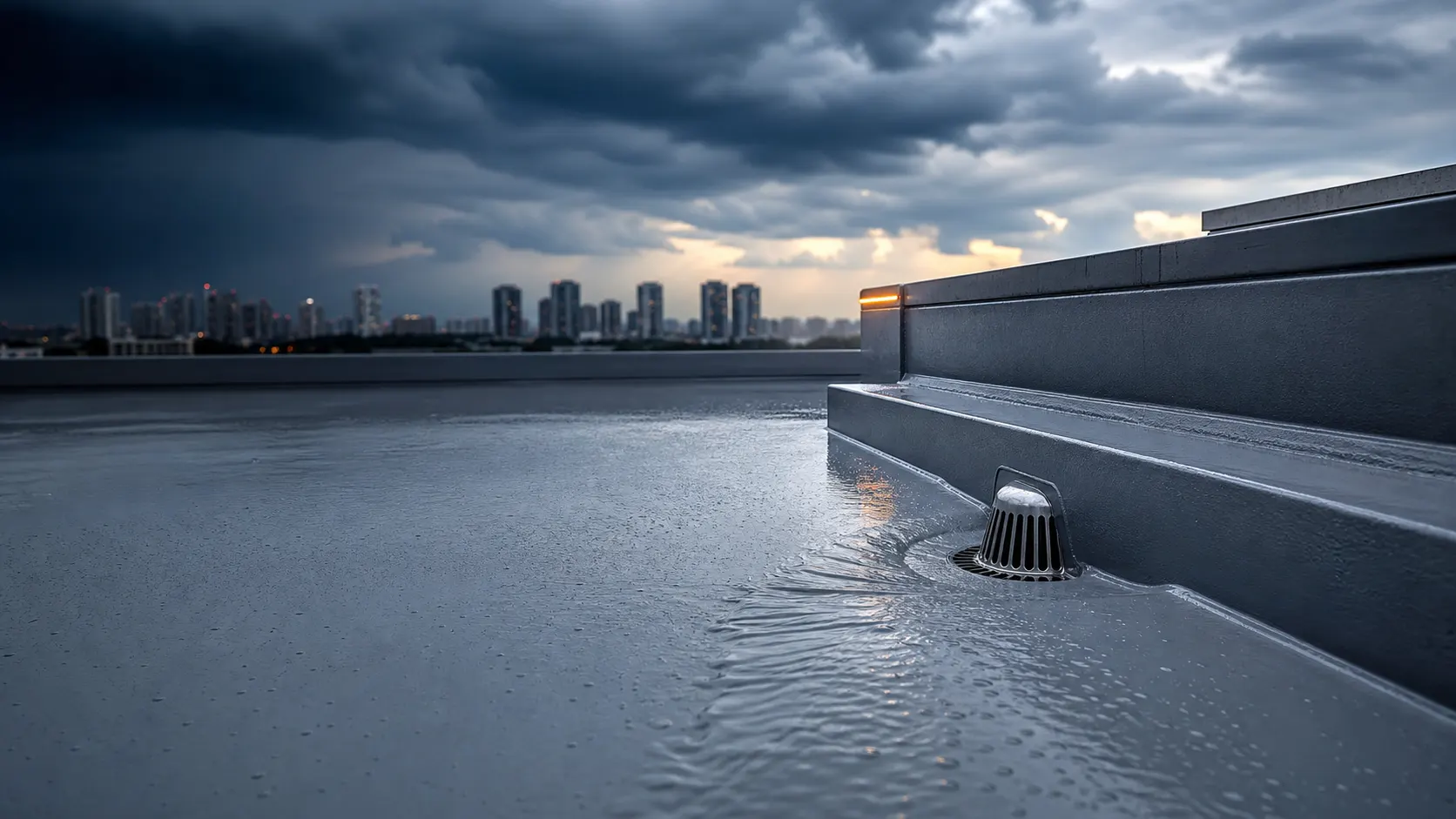
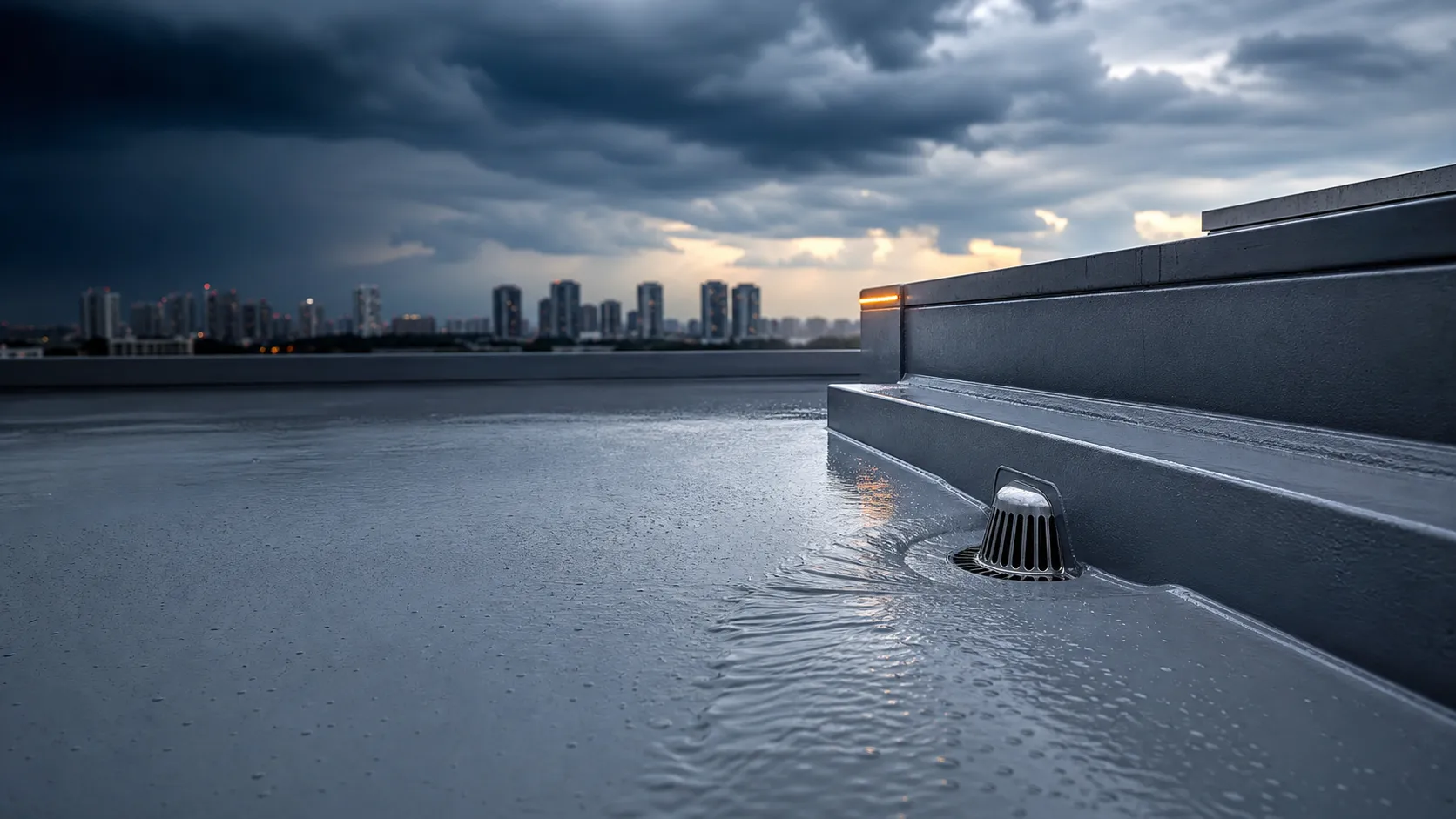
Exposed roofs need a UV-stable waterproofing membrane, sound substrate preparation, reinforced details at drains and corners, and correct falls so water does not stand. Rayson SealForce RC40 is the cold-applied aliphatic polyurea route for suitable exposed roofs; confirm the complete build-up against RY-TDS-1101 before work begins.
What is the difference between a protective coating and a waterproofing membrane?
A protective finish mainly manages weathering and UV exposure. A waterproofing membrane is selected to form a continuous, liquid-tight layer across the surface and details. The right route depends on the structure, water path, movement, traffic and whether water is acting from above or below.
Can you waterproof over an existing coating or membrane?
Only when the existing layer is sound, dry enough, clean and compatible with the proposed route. Loose, waterlogged or debonded areas must be removed and repaired first. A site review, adhesion check and small trial area establish the correct preparation.
Which waterproofing system is used for wet areas and under-tile locations?
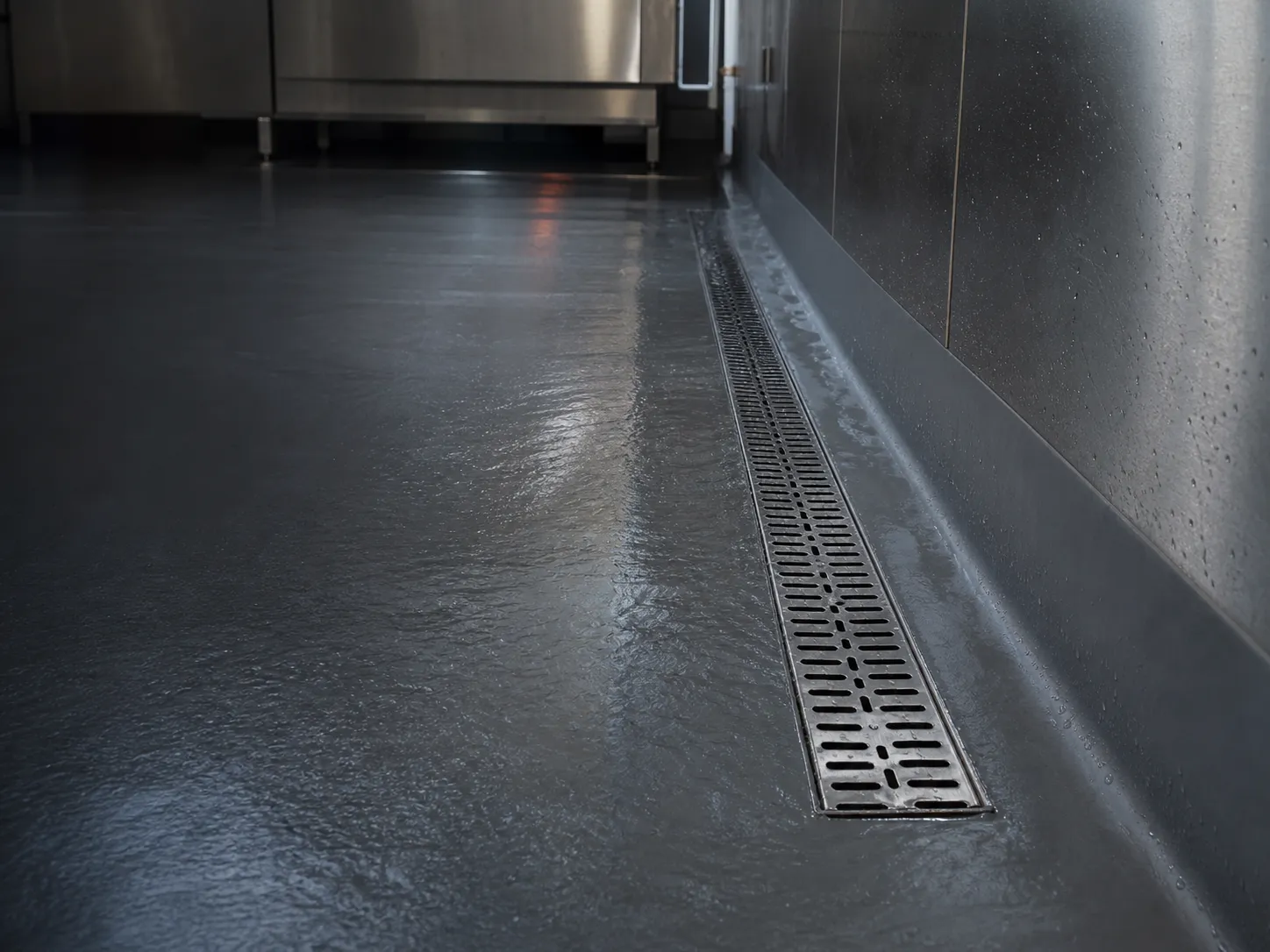
Wet areas require a seamless membrane, carefully reinforced drains and wall-floor junctions, compatible finishes and correct falls. SealForce RC30 is a two-component roller-applied polyurea-based membrane for suitable wet-area, roof and deck work; verify details against RY-TDS-1102.
When is spray-applied polyurea appropriate?
Spray-applied polyurea is a specialist route for seamless linings on appropriate tanks, containment and concrete or steel structures. SealForce SP200 and SP210 require heated plural-component spray equipment. Product suitability, substrate condition and any certification requirement must be confirmed against the relevant TDS.
When is a waterproofing coating the wrong answer?
Live structural cracks, persistent ponding caused by failed falls, saturated substrates, negative-side pressure and unsuitable buried conditions can defeat a liquid coating system. In those cases, the structure, drainage, repair method or membrane design must be corrected first.
What should I send Rayson for a waterproofing recommendation?
Send overview and close-up photos, the structure type, approximate area, where water appears, current coating or membrane condition, access constraints and the preferred work window. That gives the technical team a useful starting point before recommending a route.