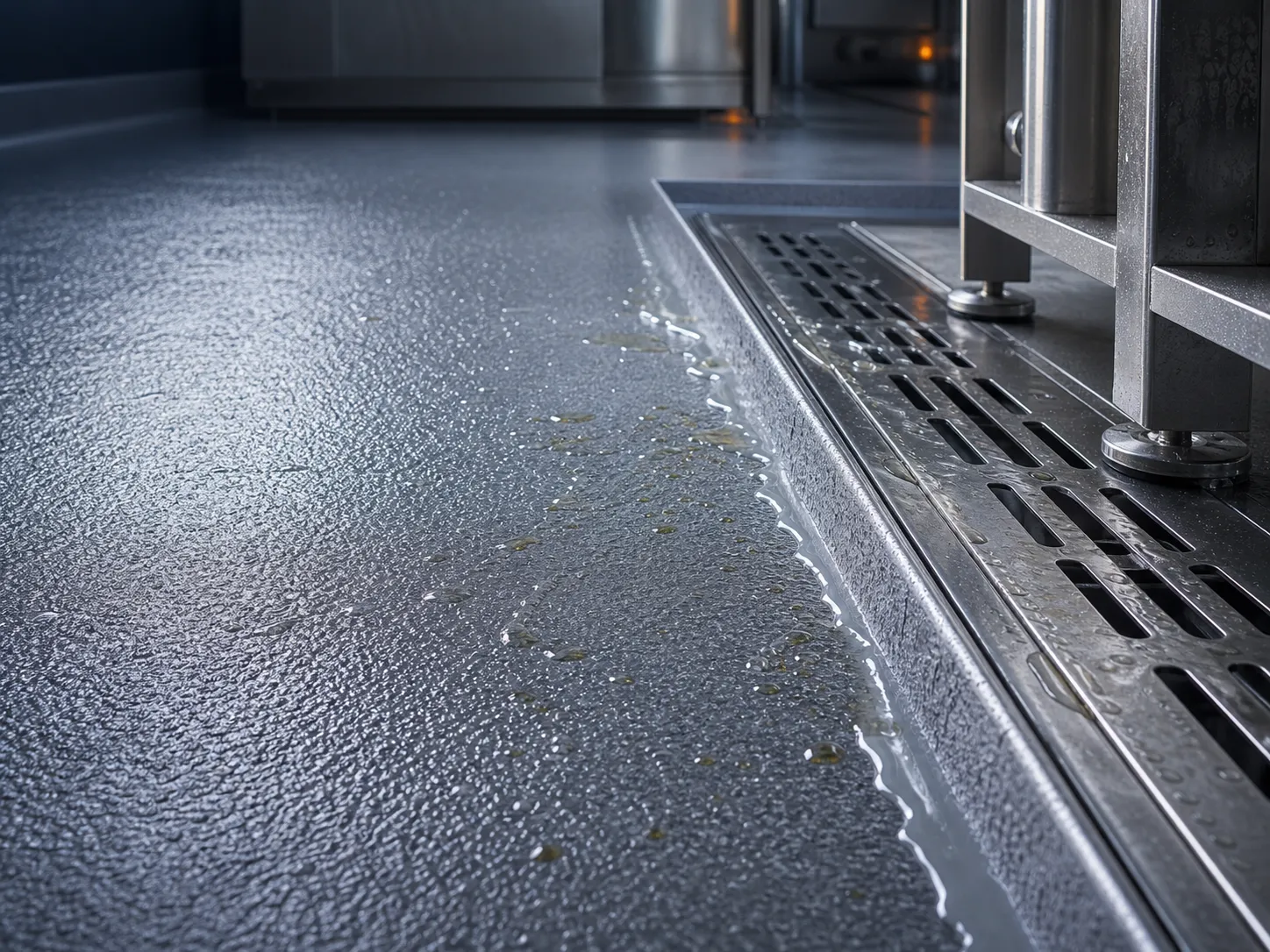
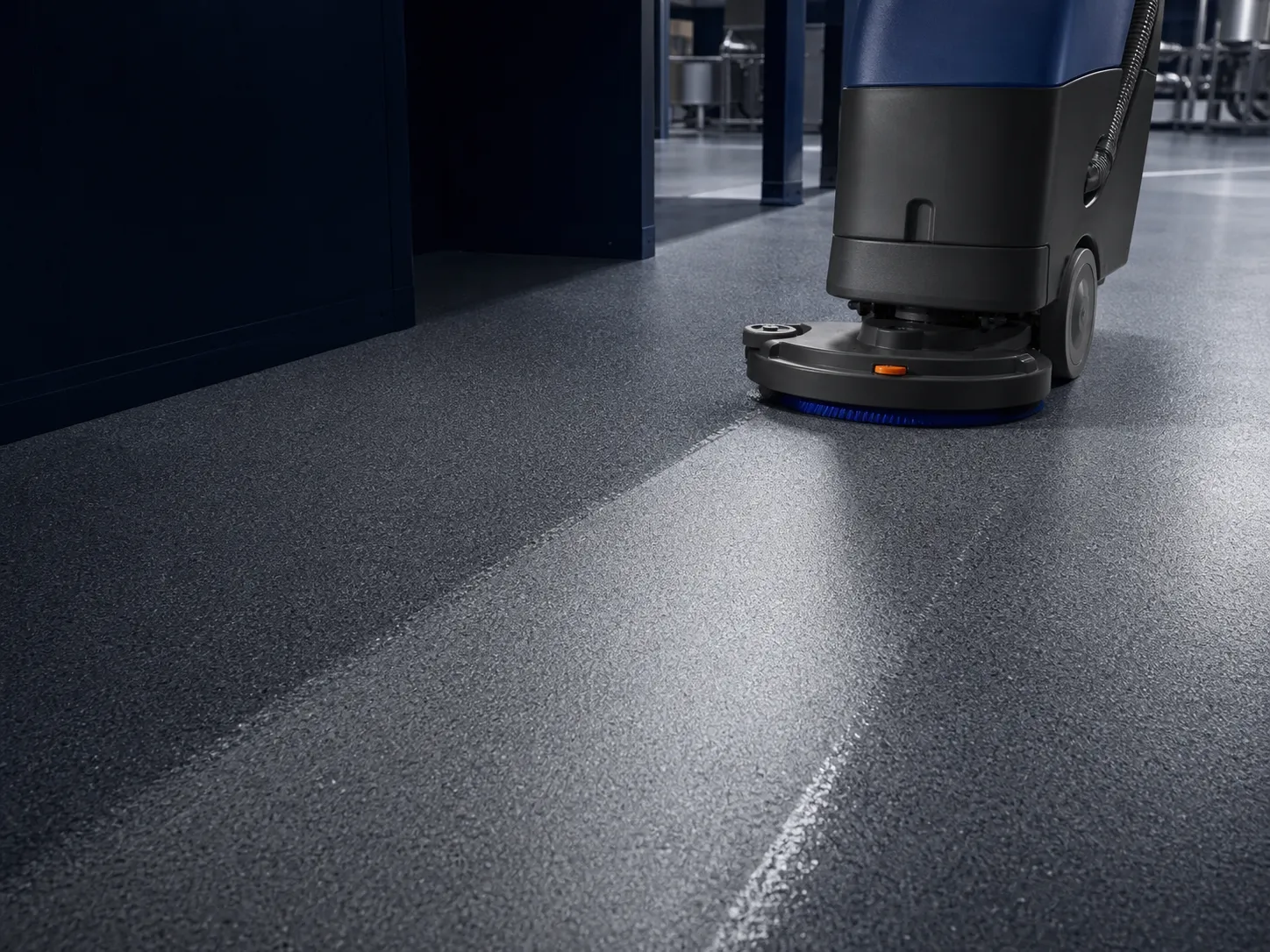
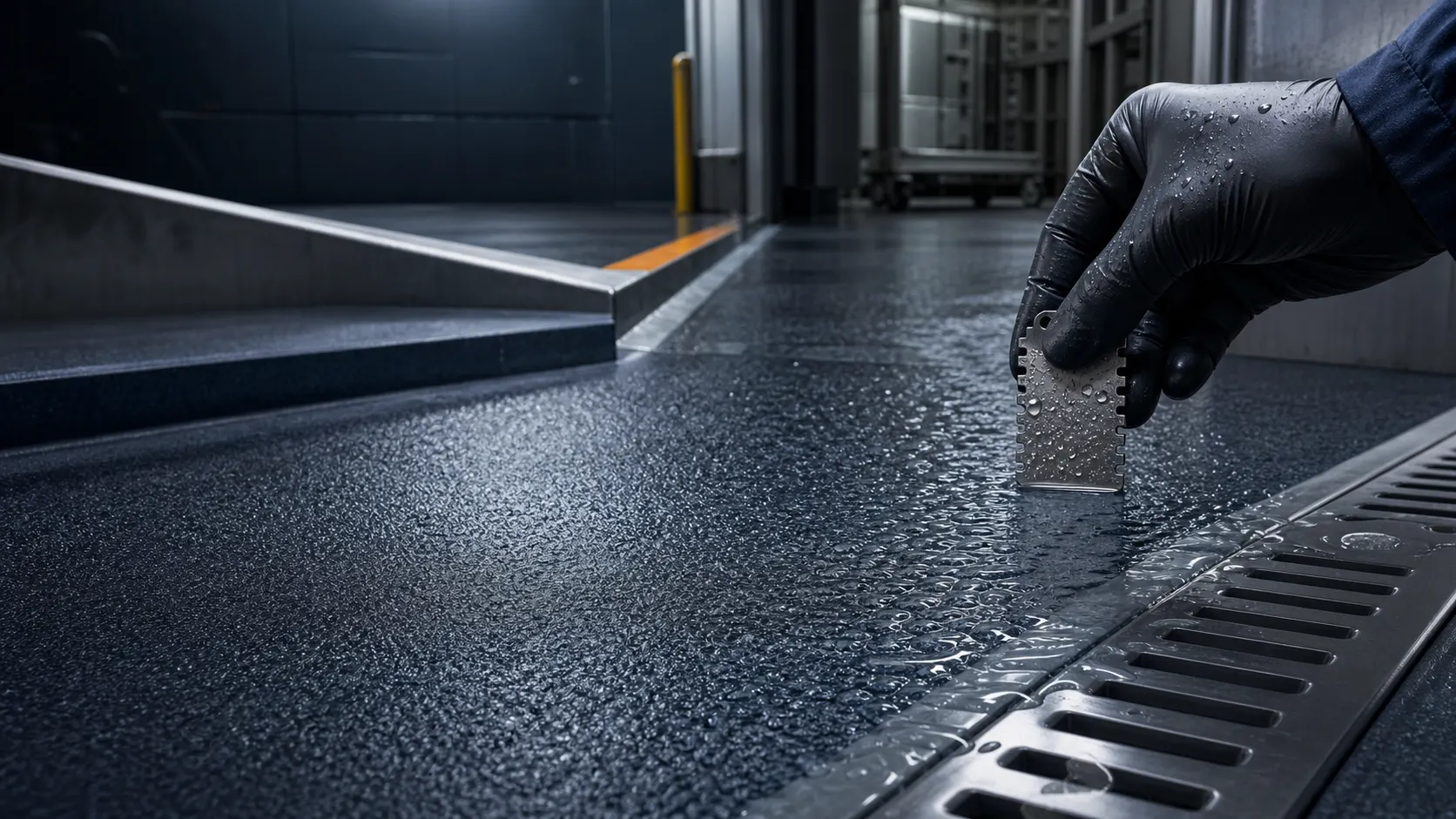
Textured anti-slip resin floor carrying a controlled water film beside a drainage channel while a technician checks the profile
Anti-Slip Flooring Singapore

Anti-slip flooring in Singapore, specified by exposure—not roughness alone.

Grip that stays useful when the floor gets wet. Rayson manufactures systems for entrances, ramps, commercial kitchens, wash bays and wet-process areas.

Rain-tracked waterOil & wash-downRamp braking
The short answer

Anti-slip is a system decision, not a roughness setting.

The right profile depends on what reaches the floor, how people move across it and how the surface will be cleaned. Rayson GripSafe systems balance useful grip with practical ownership—without turning the floor into a dirt trap.

Specify by exposure

Choose the risk. See the system route.

One texture does not belong everywhere. Start with what the floor must keep doing when conditions change.

01 / RAIN & RUNOFF

Keep traction when water arrives suddenly.

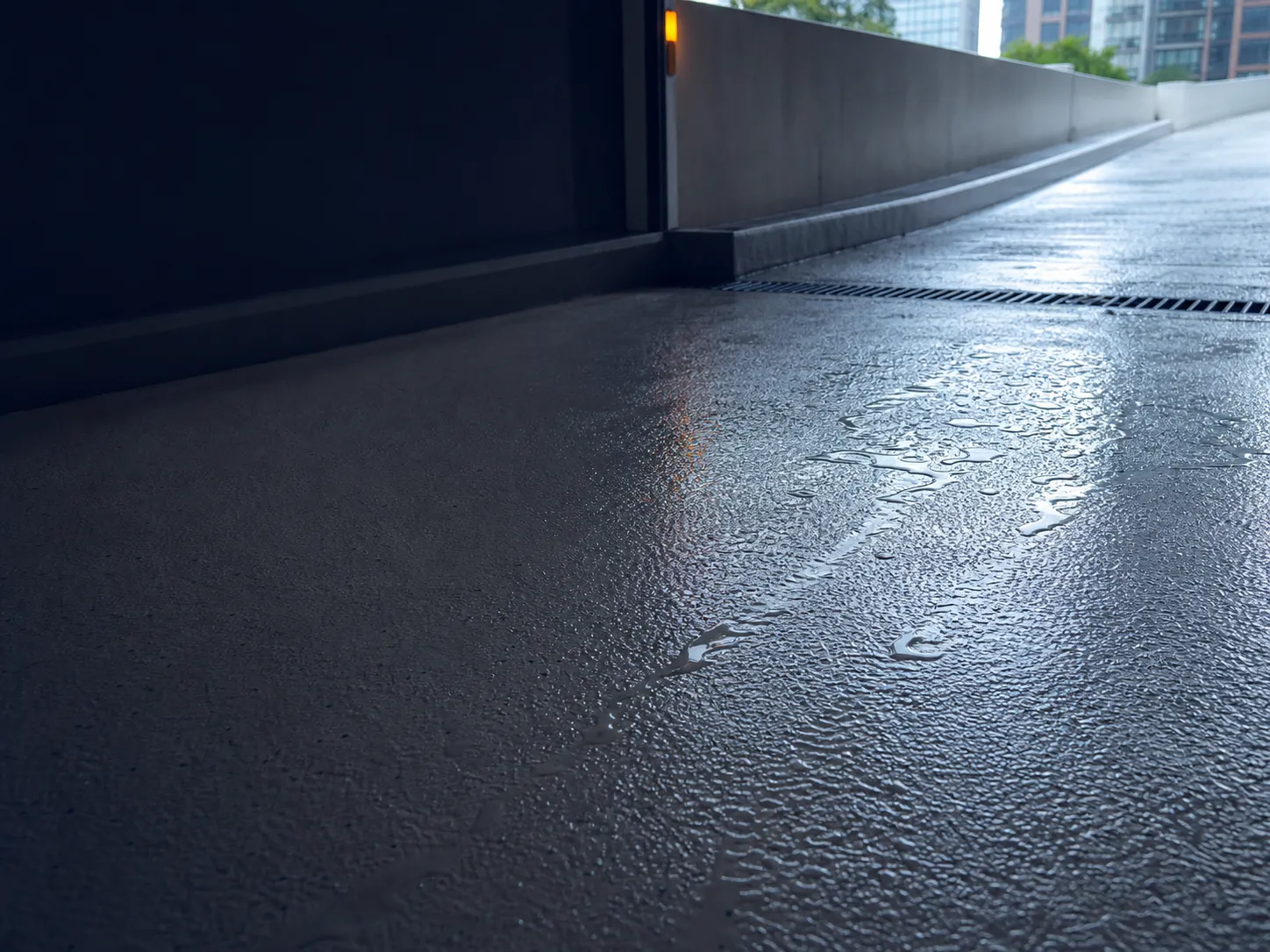
Use a discreet profile at entrances and a stronger texture on ramps, then direct runoff before water becomes standing contamination.

  • Rain-tracked water
  • Gradient and braking
  • Drainage-led detailing
See car-park ramp systems
Wet anti-slip resin floor on a covered car-park ramp directing runoff toward a trench drain
Texture guide

Which anti-slip texture fits each zone?

Fine

Presentable grip

Entrances, corridors and occasional spills.

Routine mopping or scrubbing
Medium

Working wet zones

Kitchens, wet process and pedestrian ramps.

Mechanical scrub-dry cleaning
Coarse

Heavy-duty traction

Wash bays and vehicle ramps under braking.

Heavy scrubbing and planned inspection
View the full zone-by-zone technical comparison
ZoneContaminationSensible textureCleaning implication
Entrance lobbies / retail thresholdsRain-tracked waterFine, discreet profileMops clean; presentable finish
Corridors & walkwaysOccasional spillsFine–mediumRoutine scrubbing
Commercial kitchens / F&B wet zonesGrease, fats, hot waterMedium–coarseMechanical scrub-dry required
Wash bays & process wet areasStanding water, chemicalsCoarsePressure wash / heavy scrubbing
Pedestrian rampsRain, gradientMedium–coarseScheduled scrubbing
Vehicle ramps & turning aislesWet tyres, braking forcesCoarse, hard aggregateSweep grit; periodic re-texture
System build-up

Four decisions. One working surface.

Prepare and prime the real substrate, build the required texture with GripSafe AP12, then protect it with a finish matched to exposure and cleaning.

Review the GripSafe AP12 TDS
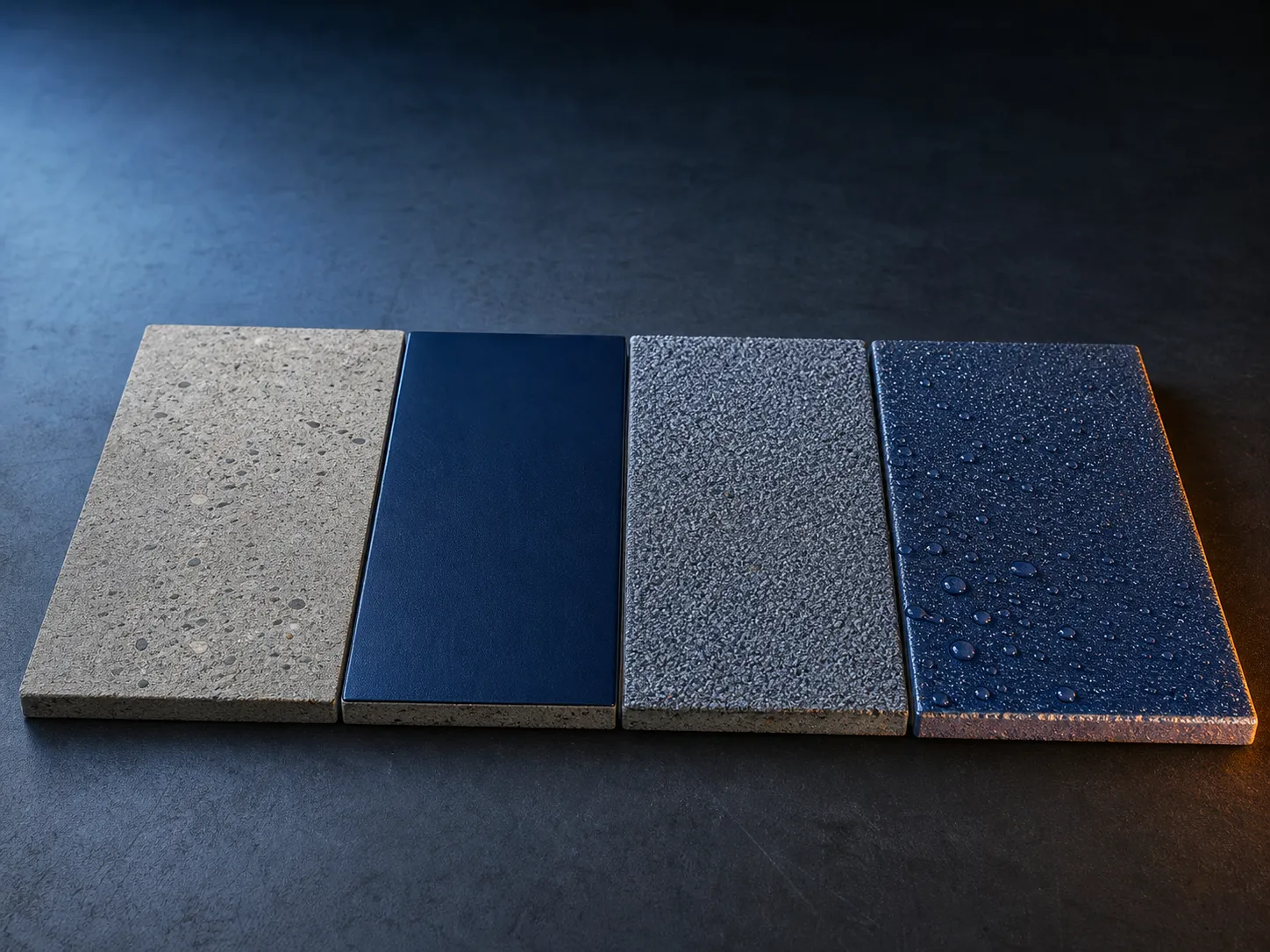
Four anti-slip coating material stages from prepared concrete to a sealed, water-beading textured finish
Material behaviour at each stage of the build-up.
  1. 01PrepareSound, clean substrate
  2. 02PrimeBond to the actual base
  3. 03TextureGrip matched to exposure
  4. 04ProtectFinish and cleanability
Published system evidence

Choose the role. Then read the product data.

These are starting routes only. Confirm substrate preparation, product build-up and return-to-service timing against the relevant TDS before work begins.

Why rougher can fail: coarse texture can clog with grease when the cleaning method does not match the profile. Specify texture and maintenance together.
Zone-led specificationTexture is matched to exposure and cleaning.
Open technical evidenceReview the TDS before you commit.
Useful first responseSend photos and receive a practical direction.

Where this applies

See wet areas, car park decks, F&B facilities and education for zone-specific detail.

Ready to specify?

Show us the floor. We’ll match the texture to the duty.

Send three photos, the area, the contamination and your return-to-service window. We’ll review the starting point before recommending a build-up.

A typical route

From prepared concrete to maintainable grip.

Where the prepared slab is damp—not wet—review PrimeBond E20. For wet zones that also face heat and chemicals, review the PurScreed PC70 heavy-duty route.

Frequently asked questions

Where is anti-slip flooring most needed in Singapore?

Anywhere rain, washing or grease meets foot traffic: entrance lobbies during monsoon season, kitchens and F&B wet zones, wash bays, changing rooms, swimming pool surrounds, and every ramp — pedestrian or vehicle. If a wet floor there is foreseeable, slip management is simply good practice.

Does rougher texture always mean safer?

No — this is the classic specification mistake. Very coarse texture traps grease and dirt, becomes hard to clean, and once clogged can be less slip-resistant than a moderate profile. The right grade balances grip against your actual cleaning regime, zone by zone.

How is anti-slip texture created on a coated floor?

Two main routes: broadcasting a graded aggregate (silica or harder grit) into a wet coat and sealing it, or using a pre-textured product such as Rayson GripSafe AP12 that builds a keyed, textured base within the system. Aggregate grade and broadcast rate set the final profile.

Can you make an existing smooth floor anti-slip without recoating everything?

Often, yes — high-risk zones like ramps and entrances can be locally treated with a textured coat over prepared, sound existing coating. Whether local treatment or full recoat makes sense depends on the condition of what is there; send photos for a quick view.

How do I clean a textured floor so it stays slip-resistant?

Mechanical scrubbing rather than mopping — a mop drags contaminant around the profile instead of lifting it out. A clogged texture loses its grip, so cleaning method and anti-slip grade must be chosen together, not separately.

Do you have slip-resistance test data?

Slip performance depends on the installed texture grade, footwear and contamination, so blanket lab numbers can mislead. We specify texture to your zones and cleaning regime, and can arrange on-site assessment for safety-critical areas — ask our technical team.

How much does anti-slip flooring cost in Singapore?

Cost depends on the existing substrate, preparation and repair work, area, required texture, access and shutdown window. Rayson reviews those conditions before preparing a system-specific quotation.

How long before an anti-slip floor can return to service?

Return-to-service time depends on the selected primer, texture coat and finish, together with site temperature, ventilation and traffic requirements. Confirm the complete build-up and timing against each selected product TDS before programming the work.

Which slip-resistance test or rating should a project specify?

The required test method and acceptance level should come from the project safety brief or consultant requirement. Installed performance depends on texture, contamination, footwear and maintenance, so it should not be inferred from a product name alone.
Not sure which system fits your project?

Tell us your surface, area and timeline — our Singapore technical team will recommend a practical system and price it fast.