Technician inspecting and marking a damaged concrete-floor repair zone in a warehouse
Concrete Floor Repair Singapore

Concrete floor repair starts with diagnosis.

A pothole, broken joint edge, static crack and moving joint do not receive the same treatment. Rayson reviews the defect, substrate condition and traffic before defining the repair-and-protection route.

✓ Singapore-manufactured repair systems✓ Product-specific TDS PDFs✓ Initial reply within one working day
The direct answer

Concrete floor repair does not start with filling the hole.

First identify whether the damage is a local pothole, spalled joint edge, static crack, moving joint, vertical defect or coating delamination. Only after weak material, moisture and movement risks are understood—and the repair is taken back to sound concrete—can the repair material and protective coating establish a dependable bond.

01 · Identify the damage

Choose the site symptom. See what the repair must resolve.

Each selection changes the site visual, technical priority and project brief carried into your enquiry.

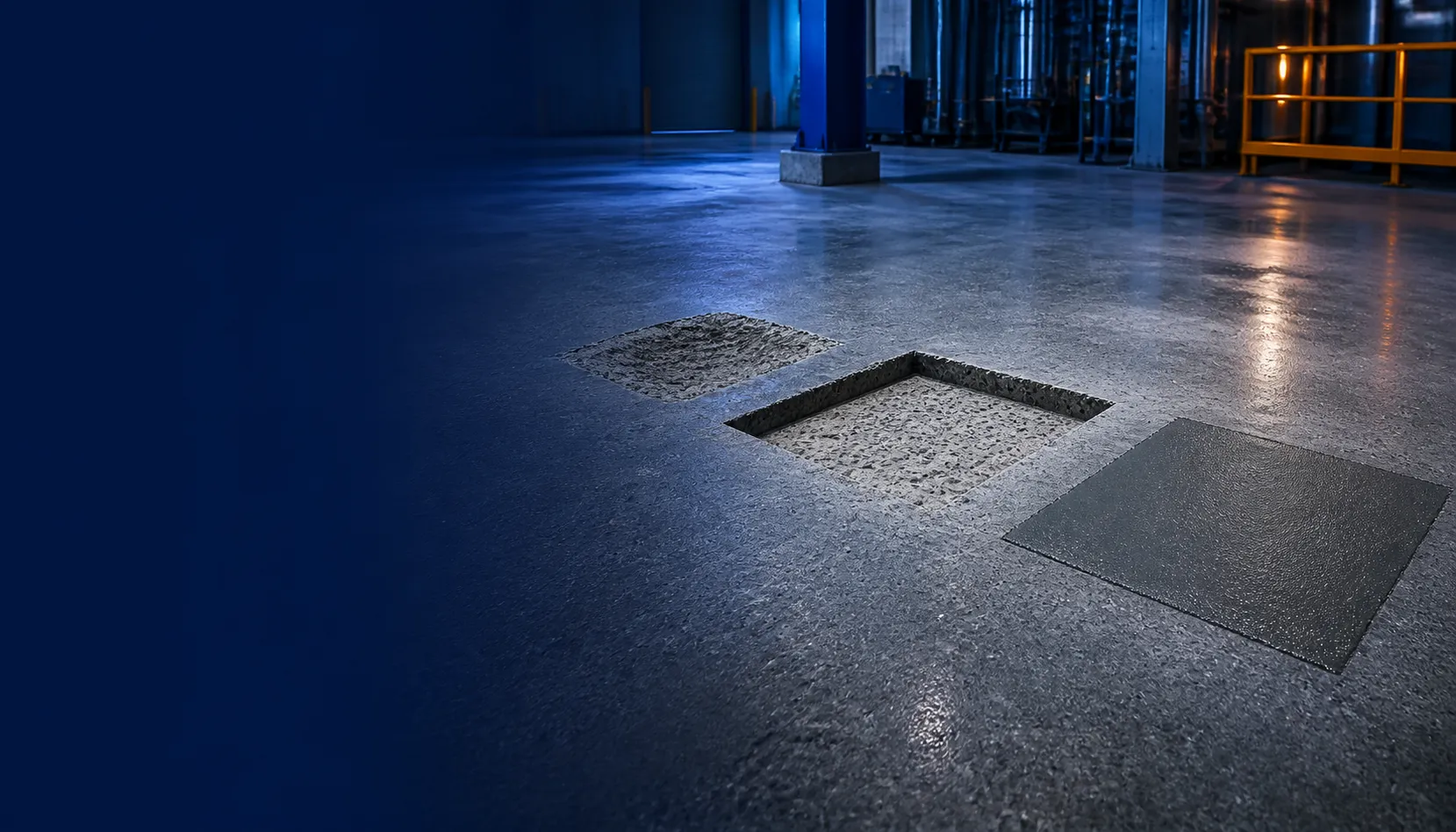
Square-cut concrete joint-edge repair area in a warehouse forklift aisle
JOINT-ARRIS REINSTATEMENT

A weak edge loses more concrete with every wheel pass.

Cut back to a sound, load-bearing edge and reinstate with an epoxy mortar suited to horizontal traffic. Confirm whether the joint itself is still moving.

  • Check joint movement
  • Form a square repair edge
  • Reinstate the wheel path
Send this condition to Rayson →
02 · Set the boundary

Is this a local repair—or an engineering investigation?

Start with a repair assessment

  • Local potholes and horizontal spalls
  • Broken joint arrises
  • Confirmed static defects
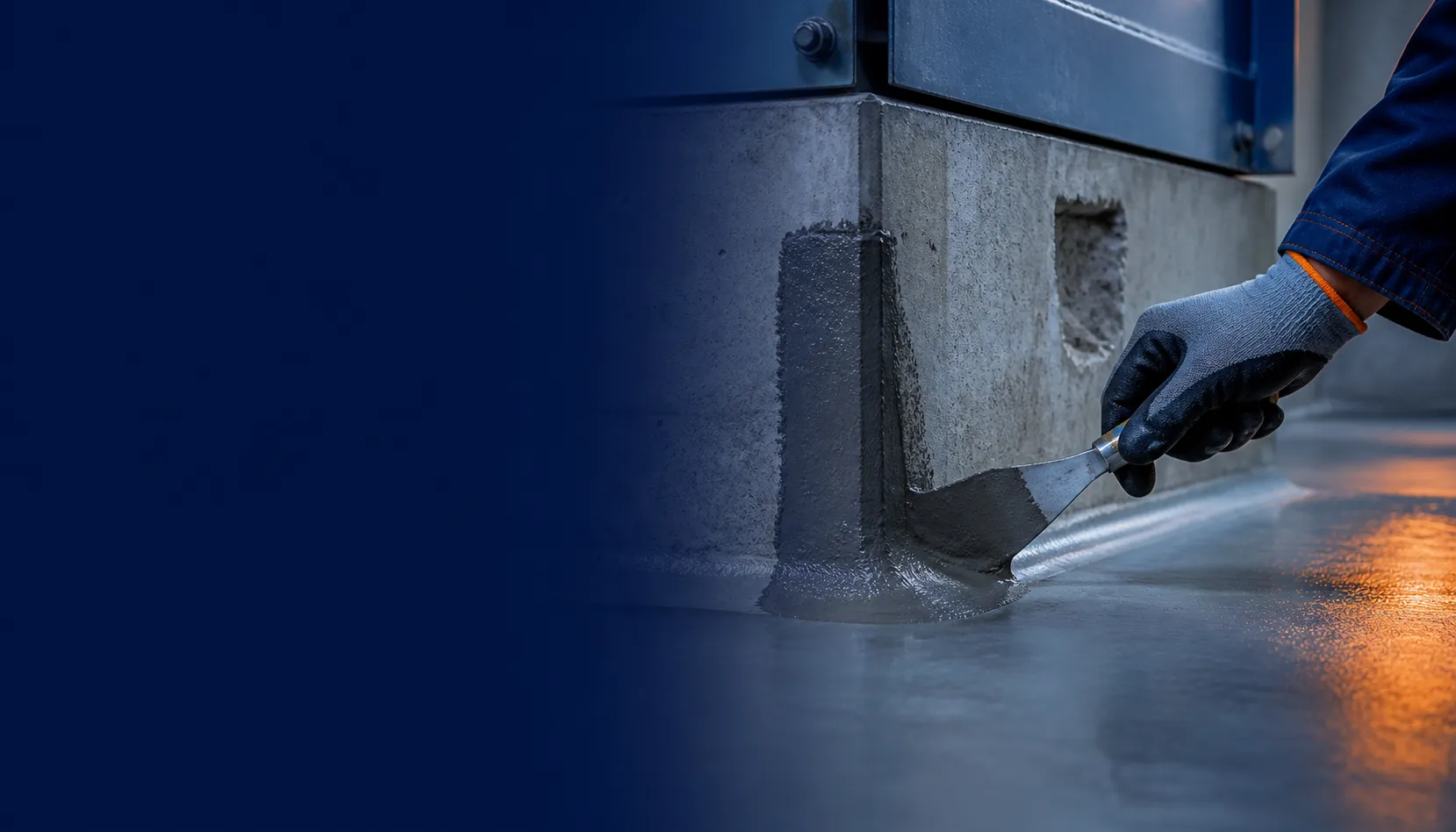
  • Plinths, upstands and vertical details
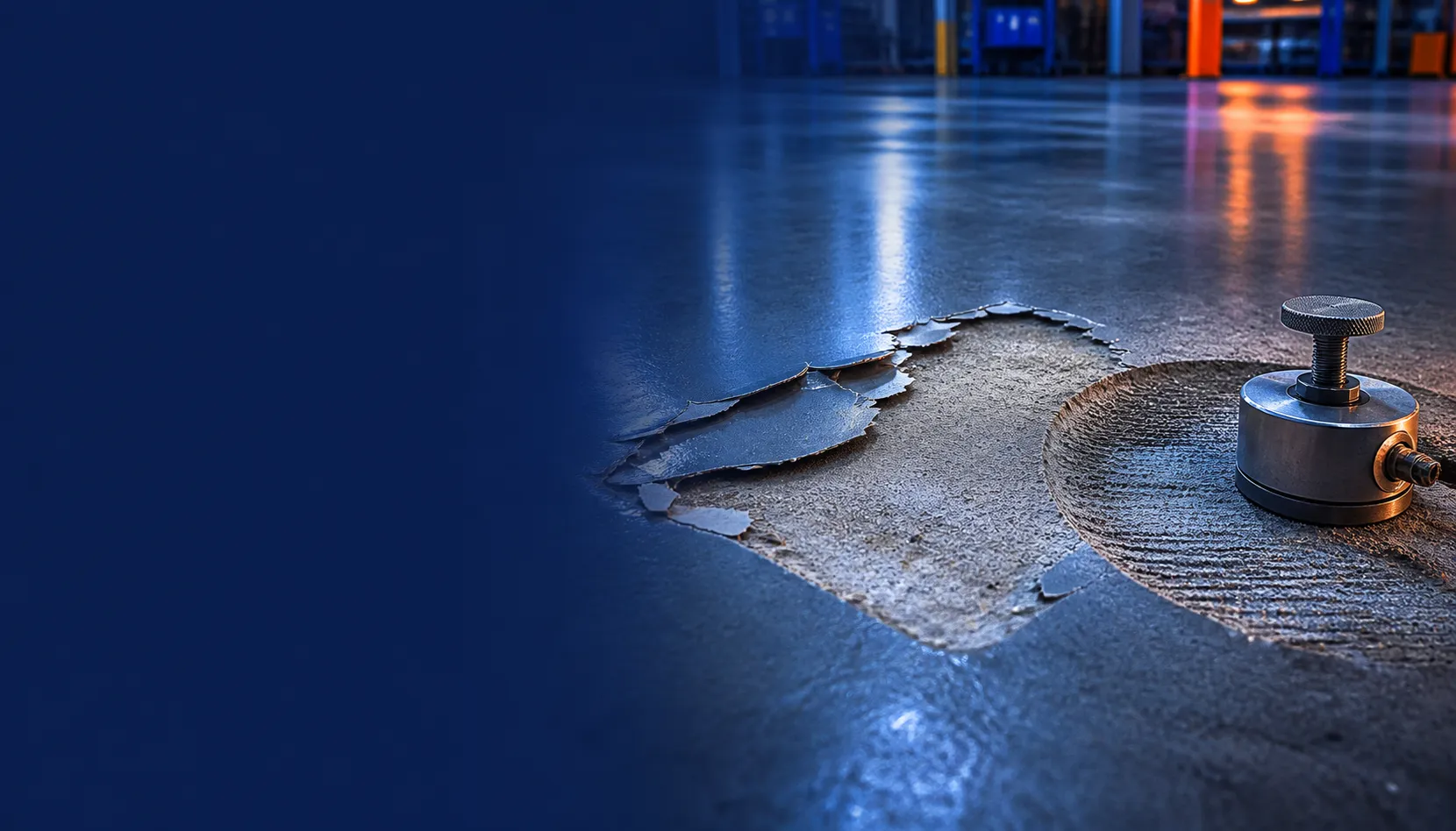
  • Local coating delamination

Escalate before specifying

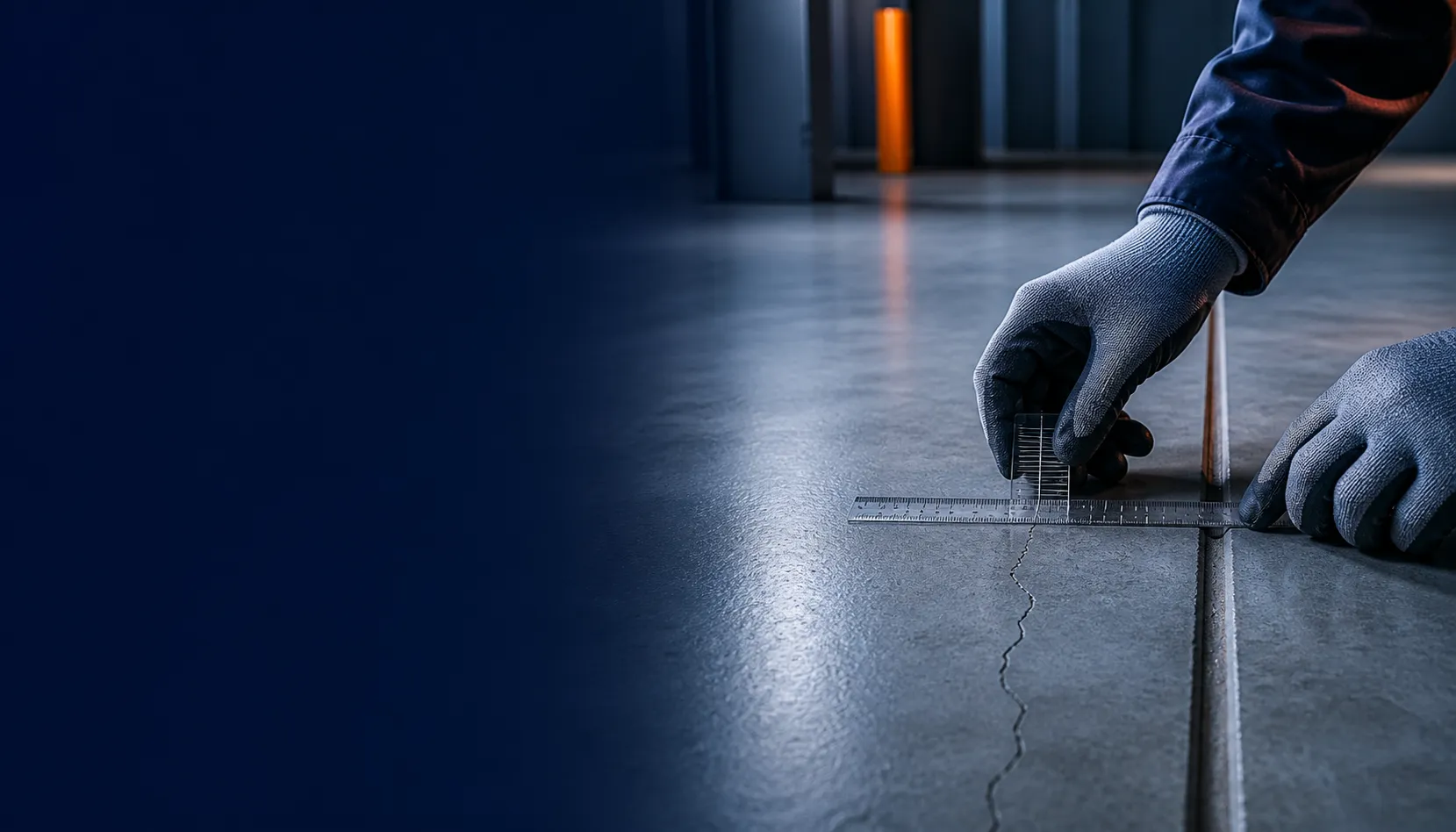
  • Cracks that widen or repeatedly return
  • Differential movement, settlement or heave
  • Exposed or corroding reinforcement
  • Active water or persistent negative pressure
  • Suspected structural damage

Rayson can help define coating and non-structural repair routes. Structural safety and continuing movement require assessment by a suitably qualified engineering professional.

03 · The repair sequence

Durability comes from the boundary, substrate and full sequence.

This is the project-review route—not a substitute for site assessment or the product TDS.

  1. 01

    Diagnose

    Define defect type, cause and extent

  2. 02

    Isolate

    Plan traffic, dust and the shutdown zone

  3. 03

    Cut back

    Remove to sound concrete and form reliable edges

  4. 04

    Prepare + prime

    Mechanically prepare for the selected material

  5. 05

    Reinstate

    Place the repair for its duty, depth and orientation

  6. 06

    Protect

    Recoat the local area or full floor where required

04 · Published system evidence

Choose the role. Then read the source TDS.

These are preliminary directions. Confirm the actual defect, substrate, moisture, repair depth, traffic and complete build-up against the relevant TDS.

05 · Protection scope

Repair the defect—or repair and protect the wider floor?

01

Local repair only

Restore isolated potholes, arrises or details while the surrounding floor remains serviceable.

  • Smaller intervention zone
  • Repairs remain visually local
  • Does not renew the surrounding old coating
06 · Shutdown planning

Return to service must be checked against material, temperature and load.

MortarBond EM90 and PatchBond TX80 publish pot-life and cure information in their individual TDS PDFs. Actual opening time also depends on site temperature, repair depth, any following coating and vehicle load, so one universal “overnight repair” promise would be misleading.

MortarBond EM90 Technical Data Sheet (PDF) ↗ · PatchBond TX80 Technical Data Sheet (PDF) ↗

Six facts are enough to begin a technical review.

  1. 01
    PhotosContext, close-up and surrounding traffic
  2. 02
    DimensionsLength, width and approximate depth
  3. 03
    MovementWhether cracks or joints are changing
  4. 04
    MoistureWater ingress, dampness or wash-down
  5. 05
    TrafficForklift, vehicle or pedestrian duty
  6. 06
    WindowAvailable isolation and return-to-service time
Start the technical review

Show us the damage.

Send site photos and what you know. Rayson will provide an initial reply within one working day and explain what should be verified next.

Frequently asked questions

How should a concrete floor be repaired in a Singapore factory?

Identify whether the defect is a pothole, joint edge, crack, vertical repair or delamination, then confirm weak concrete, moisture, contamination, movement and traffic. Cut back to sound concrete before selecting a horizontal epoxy mortar or thixotropic repair compound against its TDS.

Can potholes and broken joint edges use the same repair material?

Both may use a horizontal epoxy mortar, but the detail is not identical. A joint also requires movement assessment, while repair geometry, depth, wheel path and the subsequent joint treatment must be confirmed on site.

What is MortarBond EM90 used for?

MortarBond EM90 is a three-pack solvent-free epoxy mortar for horizontal concrete-floor spalls, potholes and joint-arrises. It is not intended for vertical or overhead repair, or large-area screeding.

What is PatchBond TX80 used for?

PatchBond TX80 is a two-component solvent-free thixotropic epoxy adhesive and repair compound for cracks, voids, joint filling, vertical, overhead and mat-damp substrates without standing water. Moving joints require a movement-capable detail rather than rigid filling alone.

When does a floor crack need engineering review?

Escalate cracks that widen, repeatedly return, show differential movement, settlement, heave, exposed reinforcement, active water or possible structural distress to a suitably qualified engineering professional.

Can damp concrete be repaired?

Some products permit use on mat-damp substrates without standing water, but damp does not mean ponding or persistent negative water pressure. Confirm the water source, substrate condition and applicable product TDS first.

Must the entire floor be recoated after repair?

Not always. Local repair can suit an isolated defect when the surrounding floor remains serviceable. Where the old coating is generally worn, contaminated or delaminating, wider preparation and recoating can provide a more continuous, cleanable surface.

Can concrete floor repairs be completed overnight?

There is no universal promise. Return to service depends on product, temperature, repair depth, follow-on coatings and the actual load. Plan it against the relevant TDS and site sequence.

What information is needed for a concrete floor repair quotation?

Send context and close-up photos, dimensions and depth, movement history, moisture, traffic, existing coating and the available shutdown window. You can start with photos even when some details are unknown.


Not sure which system fits your project?

Tell us your surface, area and timeline — our Singapore technical team will recommend a practical system and price it fast.