Technician applying a cool-grey polyurethane-cement screed in a hygienic process facility
PU Screed Flooring Singapore

PU screed flooring for demanding process floors.

Hot wash-down, process liquids, traffic and drainage decide the system. PurScreed PC70 is a four-part polyurethane-cement screed installed at 1.5–3 mm.

Singapore-manufactured system Direct product TDS PDF Initial reply within one working day
The direct answer

The process decides the floor—not the product name.

PU screed is not simply a thicker version of paint. It is a polyurethane-cement system whose suitability depends on the prepared concrete, actual process liquids, cleaning routine, traffic and detailing.

Suitable dry or ambient areas may need an epoxy route instead. Rayson reviews the facility by operating zone so the demanding floor is not under-specified—and the easy floor is not over-specified.

01 · Specify by operating condition

Choose what the floor faces every working day.

The image, technical priorities and enquiry brief change together. Select the closest condition; the final system still requires project review.

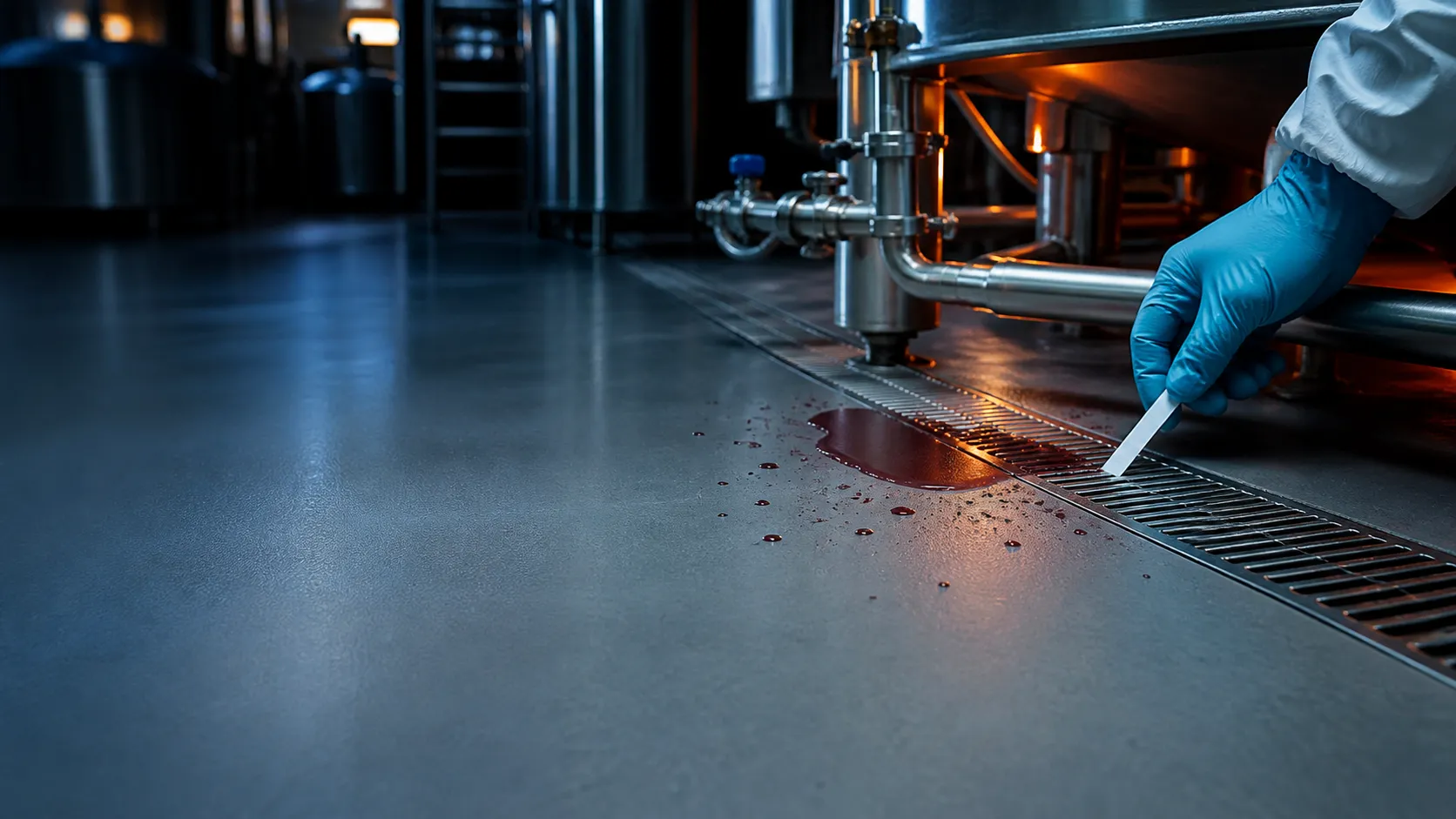
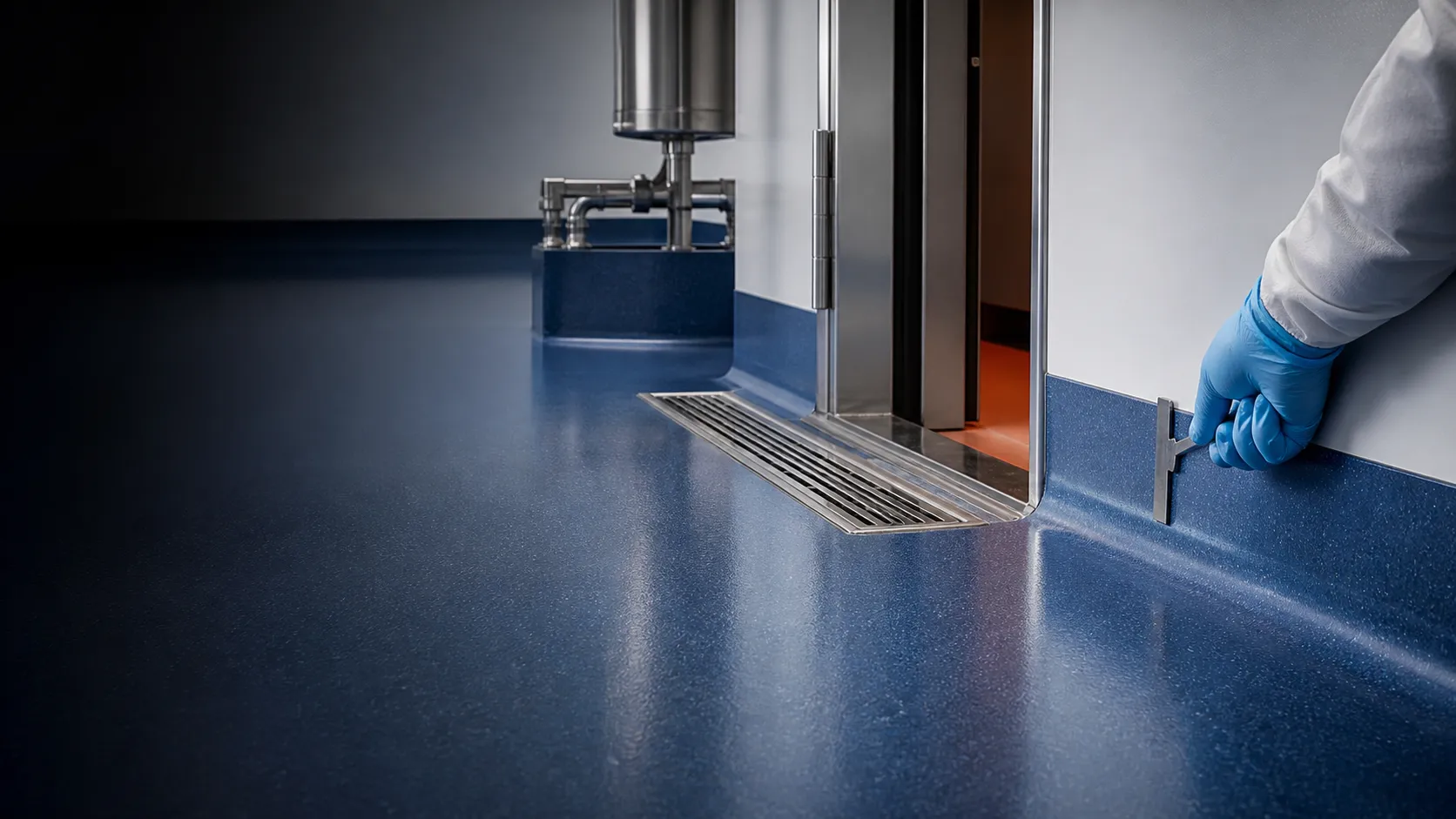
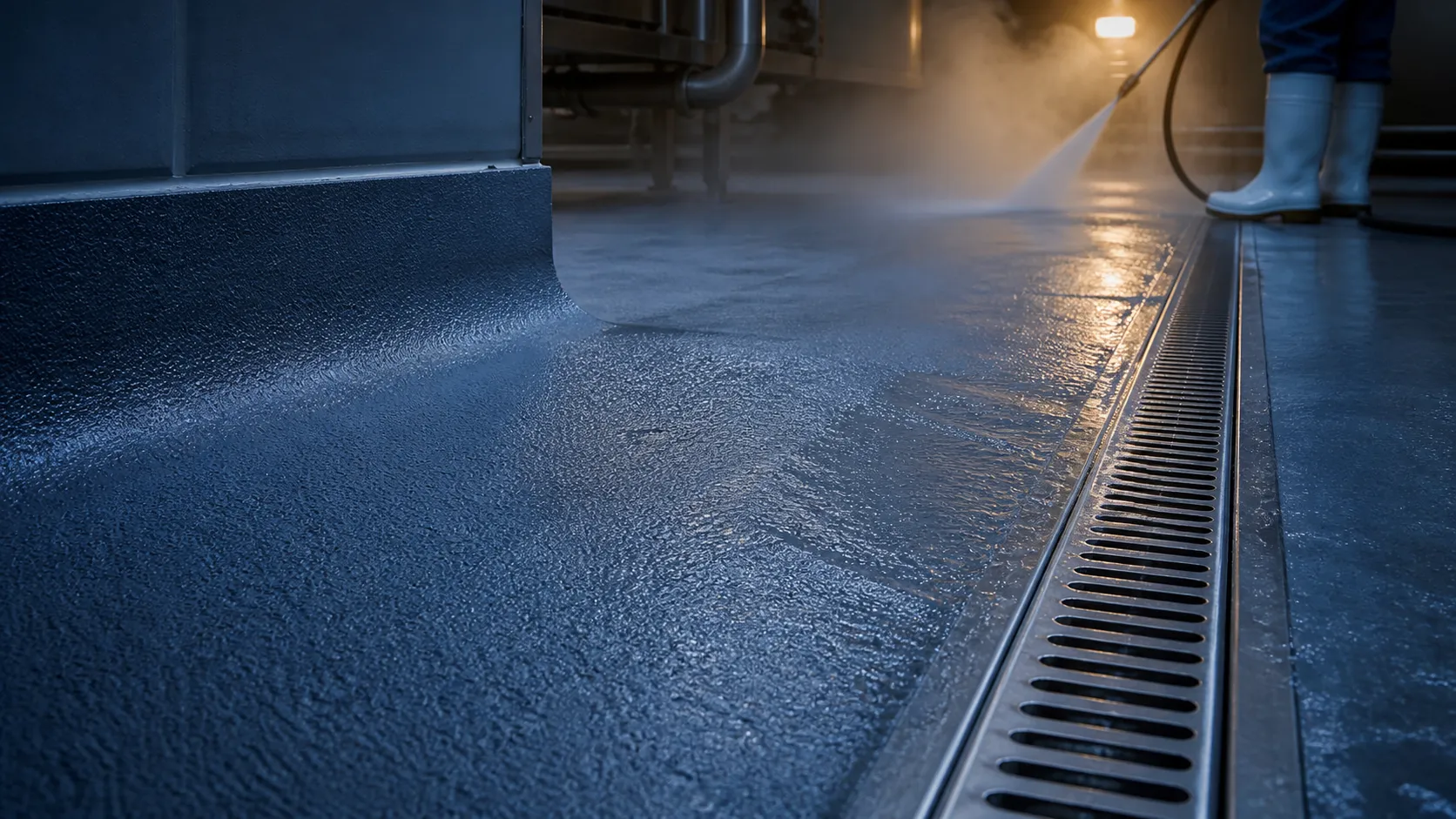
Hygienic process floor under controlled wash-down beside a stainless trench drain and coved wall junction
WET PROCESS + WASH-DOWN

The cleaning routine defines the floor’s real exposure.

Record the wash temperature, frequency, cleaning chemistry and whether water can drain without ponding. PurScreed PC70 is a PU-cement direction to evaluate—not a blanket answer for every wet floor.

  • Wash temperature + frequency
  • Cleaning chemistry
  • Falls, drains + coves
Send this condition to Rayson
02 · Make the right material decision

Use PU-cement where the operation earns it.

The honest specification is often a zoned one: PU-cement for the demanding process area and a confirmed epoxy route for suitable dry or ambient areas.

CONSIDER PC70

When the operating zone demands a screed.

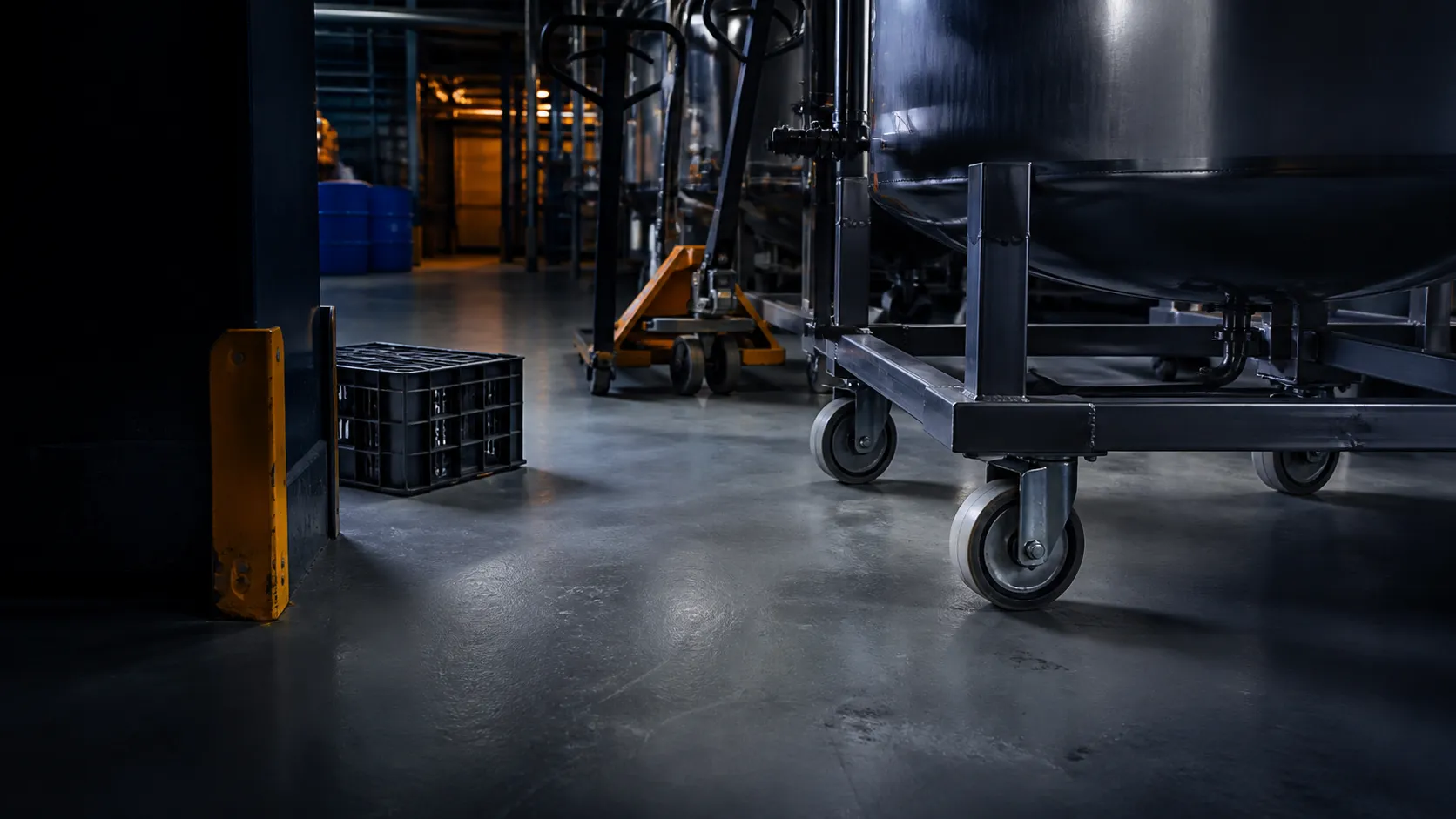
  • Prepared concrete in medium- to heavy-duty service
  • Confirmed wet-process or chemical exposure
  • Hard traffic requiring a substantial working floor
  • A 1.5–3 mm PU-cement route suits the project
CHECK ANOTHER ROUTE

When another system may be more appropriate.

  • Dry or ambient lower-duty areas
  • Decorative or colour-critical front-of-house spaces
  • Exterior UV exposure without a suitable finish
  • Weak, wet or unprepared concrete that first needs resolution

Preliminary direction only. Confirm substrate, exposure, complete build-up and current product documentation before specification.

03 · Published planning data

Start with numbers an engineer can verify.

These values come from the current PurScreed PC70 product data. Use them for preliminary planning, then verify the complete system in the direct TDS PDF.

1.5–3 mm
Published application thickness
1.8 kg/m²/mm
Theoretical coverage
15–20 min
Pot life at 30 °C
7 days
Published final cure
< 5%
Concrete moisture requirement
20.5 kg
Combined four-part set
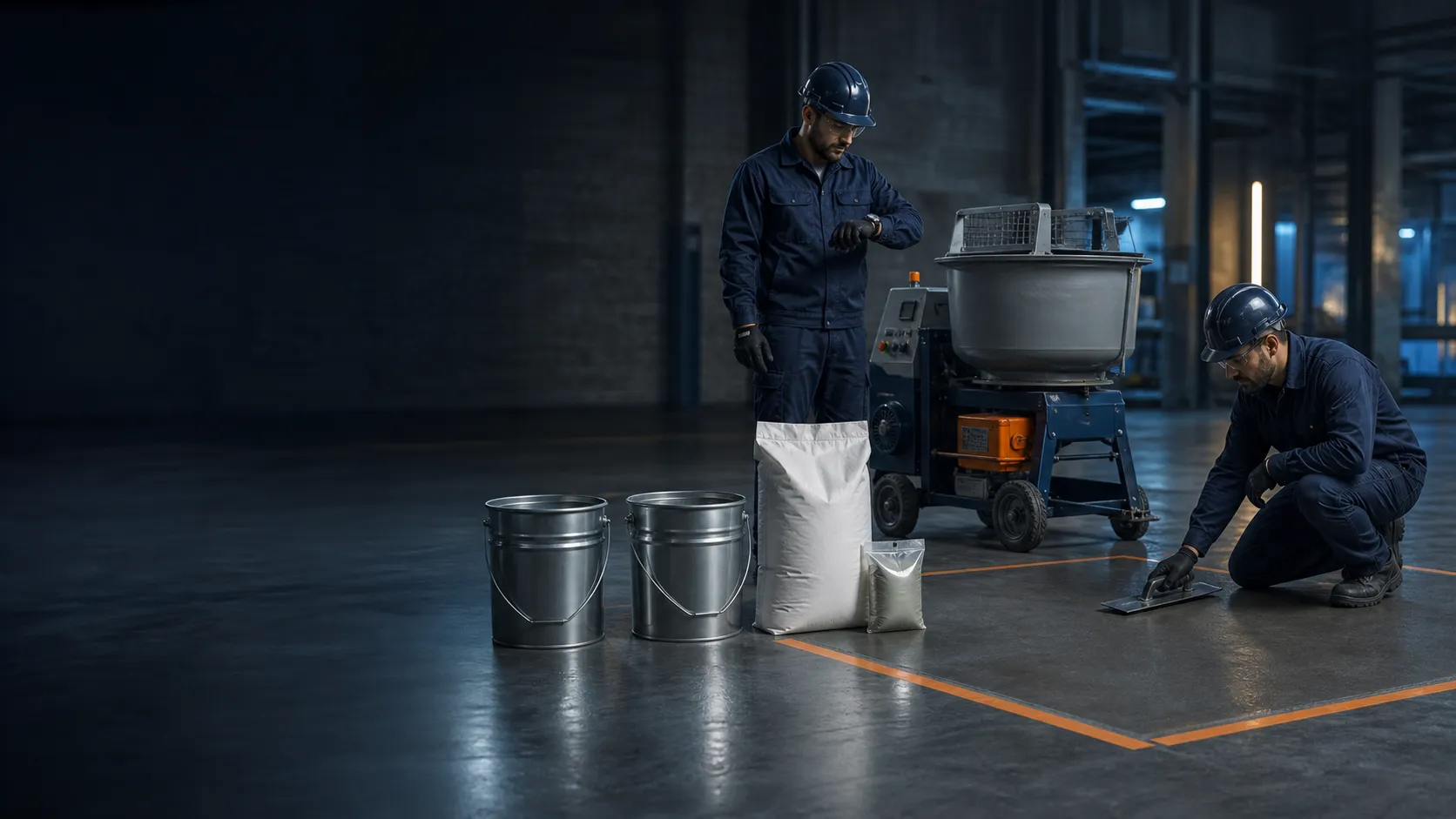
Four-part PU-cement batching station with pails, powder bag, small pouch, mixer and timing controls
04 · Installation discipline

Four parts. One controlled sequence. A short working window.

PurScreed PC70 is supplied as four pre-weighed components. The parts are combined mechanically in the sequence stated in the current method statement and placed within the published working time.

  1. 01
    Confirm the substrateAge, moisture, strength, profile, repairs and contamination.
  2. 02
    Prepare the full kitPart A 3 kg · Part B 3 kg · Part C 14 kg · Part D 0.5 kg.
  3. 03
    Mix in the stated sequenceMechanically combine until uniform; do not improvise partial ratios.
  4. 04
    Place continuouslyCoordinate mixing, trowelling, junctions and the available working area.

The current TDS and method statement govern the actual preparation, mixing and application procedure.

05 · One facility, different duties

Do not force one coating system across every room.

Divide the project by operating exposure. This makes the recommendation clearer, more economical and easier to verify.

HOT / WET / PROCESS

Evaluate PurScreed PC70

Review process liquids, cleaning, drainage, traffic and the actual substrate.

Review PC70
DRY / AMBIENT

Evaluate an epoxy route

Suitable packing, production or circulation zones may not require PU-cement.

Review epoxy flooring
DAMAGED CONCRETE

Repair before coating

Spalls, weak edges and defects need a defined repair route before the floor build.

Review concrete repair
06 · Published system evidence

Read the product role. Then open its actual data.

The cards below are routes to evaluate. The confirmed project system may require different preparation, primer, detailing or repair after site review.

PU-CEMENT SCREED

PurScreed PC70

The principal 1.5–3 mm polyurethane-cement body and wearing layer.

CONCRETE REPAIR

MortarBond EM90

Horizontal epoxy-mortar repair direction for confirmed spalls, potholes and joint-edge damage.

DRY-ZONE ALTERNATIVE

LevelShield SL120

Self-smoothing epoxy route to evaluate for suitable dry or ambient industrial zones.

Start the technical review

Send the operation—not a guessed product name.

Area, photos and the known operating conditions are enough to begin. Rayson will identify the missing facts and provide an initial response within one working day.

  1. 01Area + zone plan
  2. 02Substrate + condition
  3. 03Process liquids
  4. 04Wash-down routine
  5. 05Traffic + details
  6. 06Shutdown window

Frequently asked questions

What is PU screed flooring?

PU screed is a polyurethane-cement flooring material. Rayson PurScreed PC70 is a four-part, water-based self-smoothing screed installed at approximately 1.5–3 mm for medium to heavy-duty industrial floors. The final system must be checked against the substrate, operating exposure and current TDS.

What is the difference between PU screed and a thin polyurethane coating?

They serve different roles. PurScreed PC70 is a polyurethane-cement screed that provides the principal floor thickness. A thin polyurethane coating is generally used as a protective finish within a compatible coating system. Selection should start with the operating conditions rather than the shared “PU” name.

When should PU screed be considered instead of epoxy?

Consider PU-cement when the confirmed wet process, cleaning regime, chemical exposure and industrial duty require that system type. Suitable dry or ambient zones may use an epoxy route. Rayson reviews each zone rather than applying one material throughout the facility.

What thickness is PurScreed PC70 installed at?

The published application thickness is approximately 1.5–3 mm by steel trowel. Do not select thickness from a generic rule; confirm the complete build-up against the substrate, duty and current technical documentation.

How much PurScreed PC70 is required?

Published theoretical coverage is approximately 1.8 kg per square metre per millimetre of thickness. Actual consumption varies with surface profile, wastage and project detailing.

How is PurScreed PC70 packaged?

It is supplied as a four-part 20.5 kg set: Part A 3 kg, Part B 3 kg, Part C 14 kg and Part D 0.5 kg. All four components must be combined in the sequence stated in the current method statement.

What concrete condition is required?

The product information requires mechanically prepared concrete at least 28 days old, with moisture below 5% and substrate pull-off strength above 1.5 N/mm² after preparation. Weak concrete, contamination and unresolved moisture must be addressed before installation.

Can PurScreed PC70 be used for hot wash-down?

The actual wash temperature, frequency, cleaning chemistry, drainage and thermal cycle must be disclosed and technically reviewed. The page does not state a universal wash-down temperature limit that is not published in the current product data.

How soon can the floor return to service?

PurScreed PC70 has a published final cure of seven days. Any earlier access or loading plan must be confirmed for the actual temperature, system build, load and current method statement rather than assumed from a generic schedule.

What information is needed for a PU screed quotation?

Send the area, substrate and existing floor condition, process liquids, wash-down temperature and frequency, traffic, drains and coves, available shutdown window and clear site photographs. Rayson can begin with incomplete information and identify what must be verified next.

Not sure which system fits your project?

Tell us your surface, area and timeline — our Singapore technical team will recommend a practical system and price it fast.