No single product matches every selected condition. The project may need a multi-layer system or a technical review of the actual site conditions.
Primer Rayson PrimeBond E20
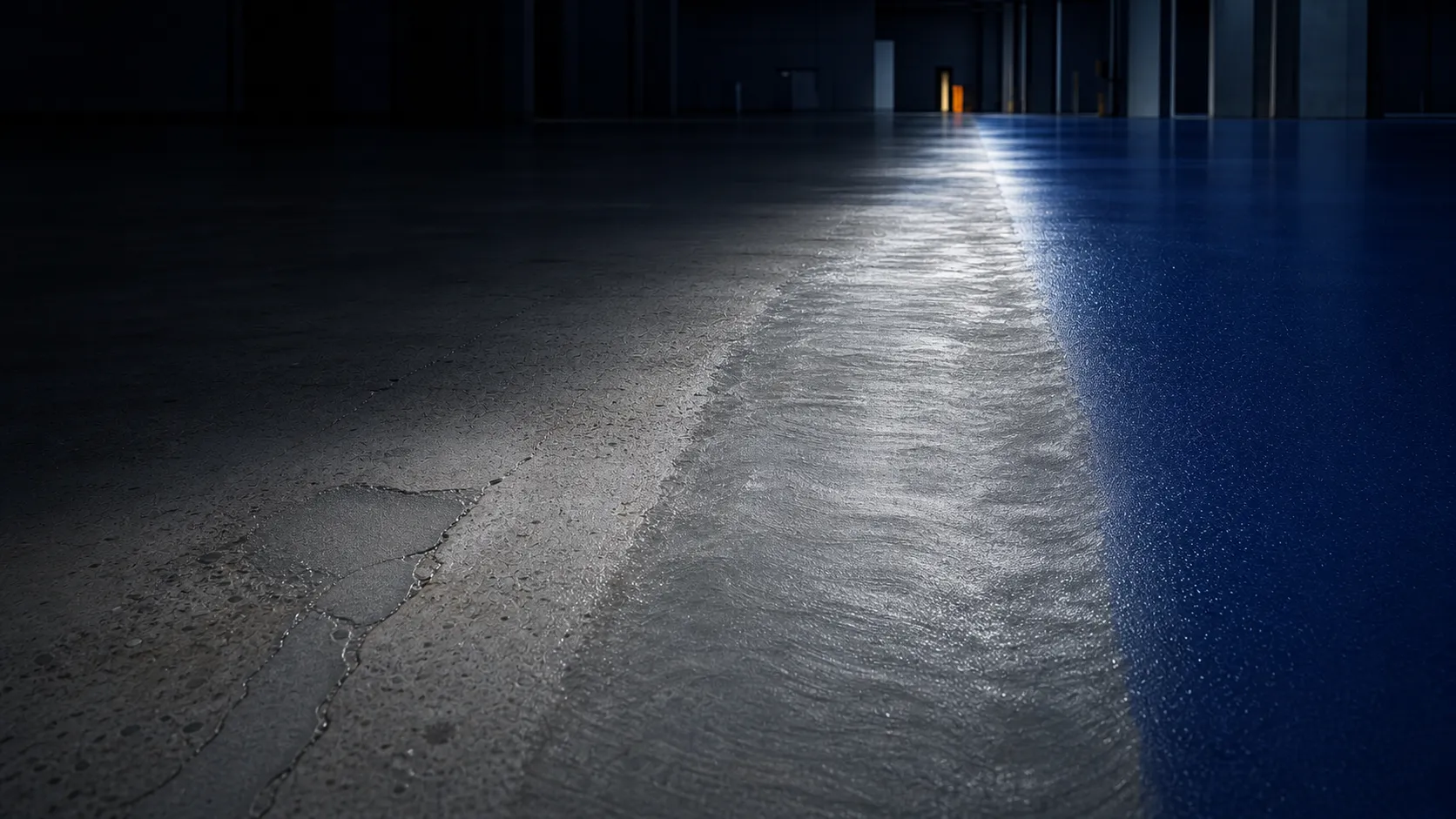
Best for priming concrete and cementitious screeds before Rayson epoxy and polyurethane floor systems, including slabs that cannot be fully dried out.
Cure data (from the TDS) Final cure 7 days
Primer Rayson PrimeBond E25
Best for priming porous, highly absorbent concrete and screeds — and asphalt or prepared metal — before Rayson resin floor systems, including in enclosed, unventilated areas.
Cure data (from the TDS) Final cure 7 days
Primer Rayson PrimeBond S30
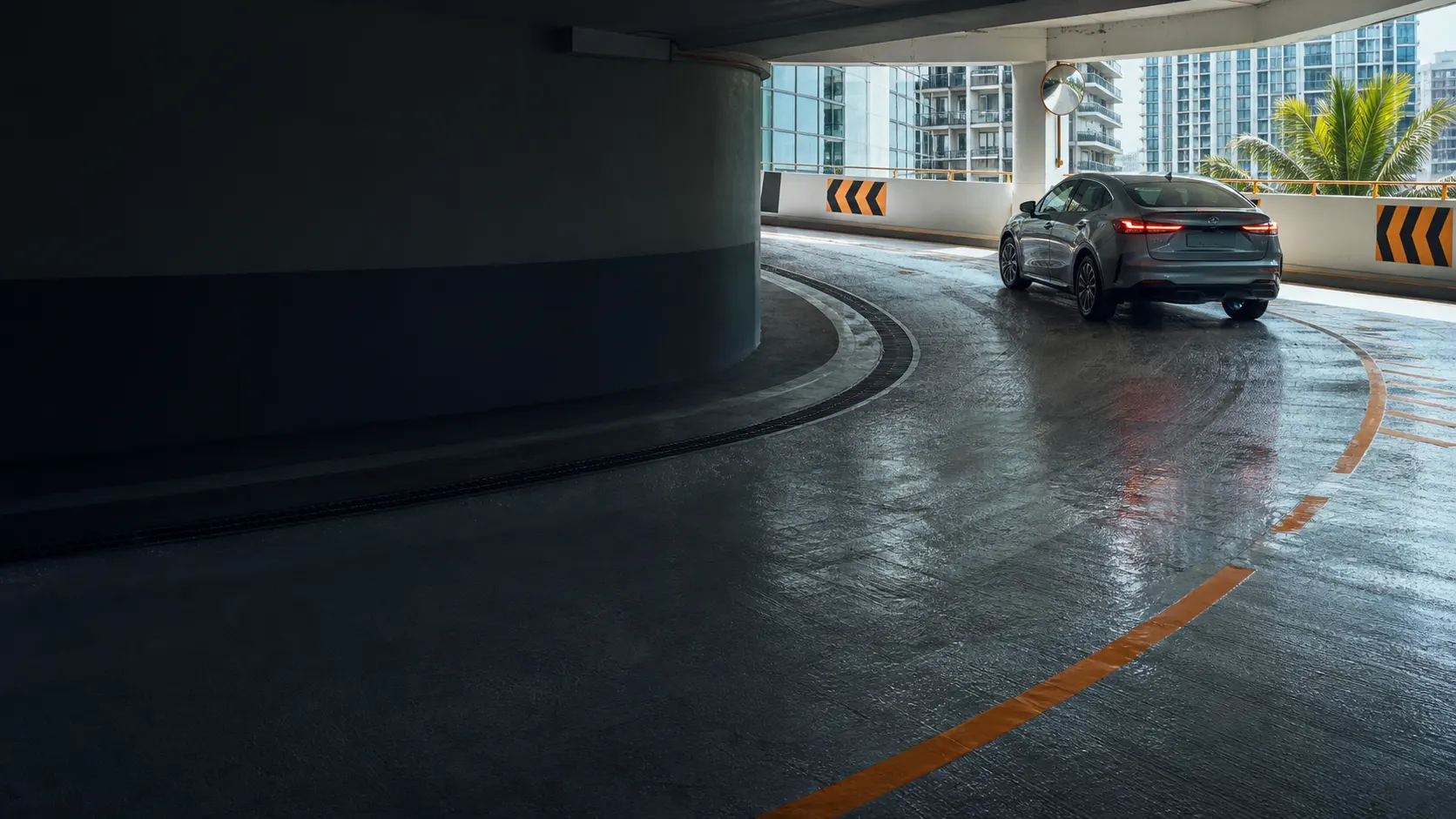
Best for priming dense or absorbent concrete on car park decks, ramps, walkways and industrial floors where deep penetration is needed.
Cure data (from the TDS) Final cure 7 days; minimise heavy traffic for 8 hours after application on pavements
Primer Rayson PrimeBond W10
Best for priming floors in occupied buildings — offices, schools and retail — where low odour and single-pack simplicity matter.
Cure data (from the TDS) Surface dry approximately 1 hour at 28 °C
Primer Rayson GripSafe AP12
Best for putting reliable anti-slip texture on walkways, ramps, playgrounds and courts in a single ready-to-use product.
Cure data (from the TDS) Touch dry 30–60 minutes at 25 °C; recoat after 2–4 hours; full cure 1 day
Body coat Rayson FloorGuard R50
Best for roller-applied epoxy floors and broadcast seal coats in storage and assembly halls, workshops, garages, loading ramps and car park decks, including wet process areas in food and beverage plants.
Cure data (from the TDS) Final cure 7 days
Body coat Rayson LevelShield SL120
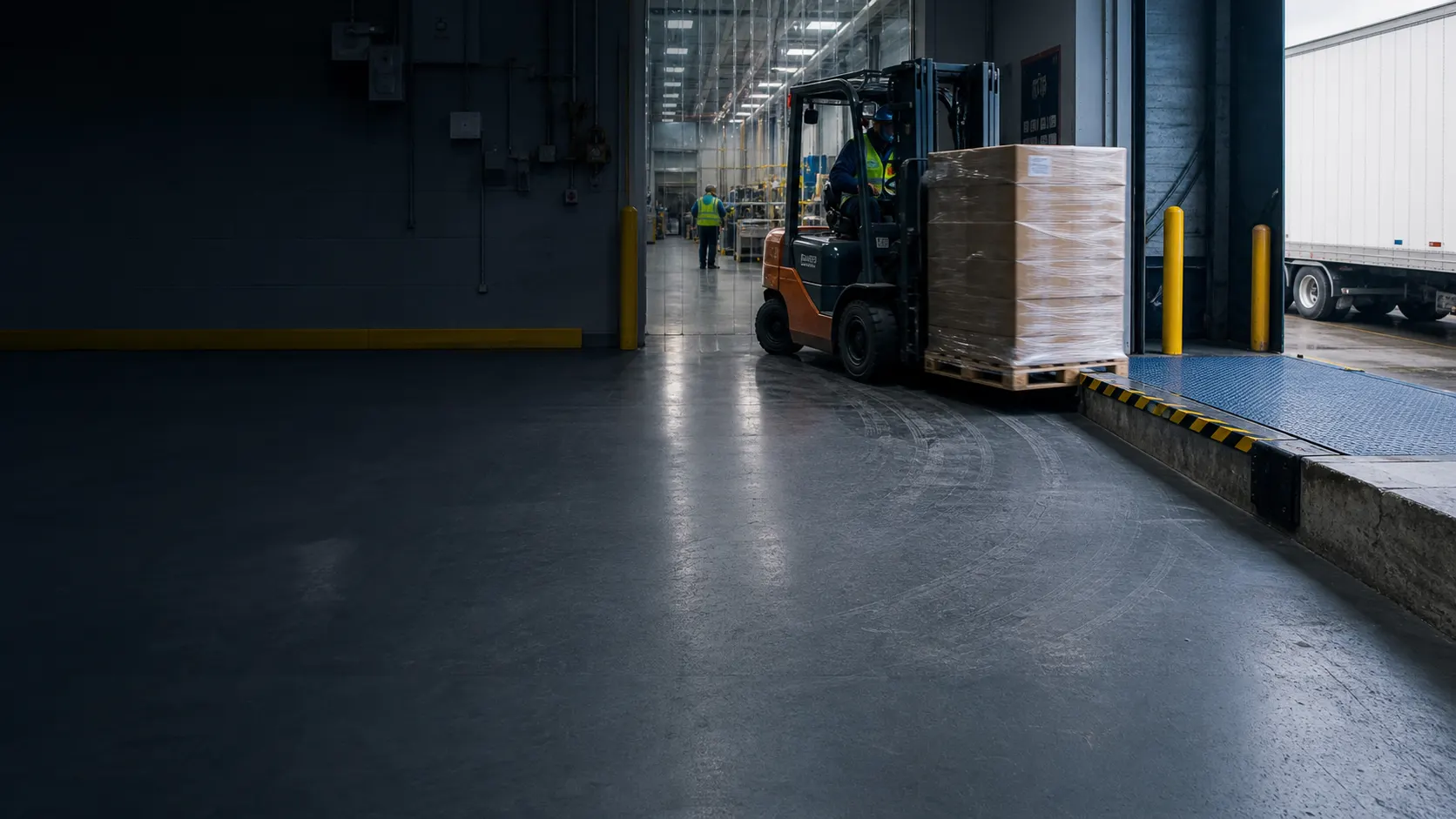
Best for production areas, warehouses, loading bays and clean environments that need a seamless, hard-wearing, self-levelled epoxy floor.
Cure data (from the TDS) At +20 °C: foot traffic 24 h, light traffic 4 days, full cure 7 days. At +30 °C: foot traffic 18 h, light traffic 2 days, full cure 5 days. Recoat window 24 h–2 days at +20 °C (16 h–1 day at +30 °C)
Body coat Rayson PurScreed PC70
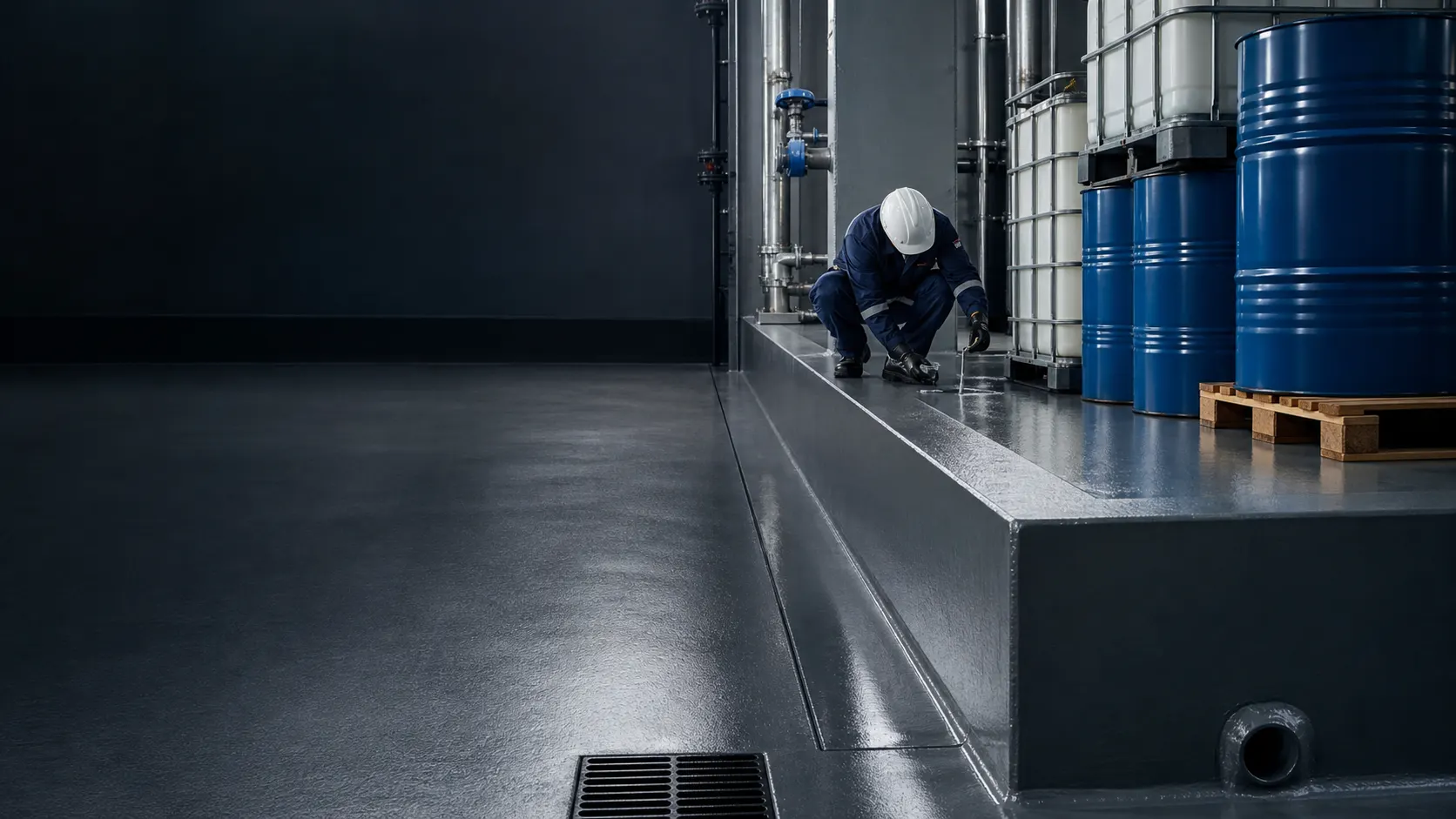
Best for food and beverage production, chemical processing and hard-traffic industrial floors that need a tough, chemically resistant screed.
Cure data (from the TDS) Final cure 7 days
Body coat Rayson MortarBond EM90
Best for trowel-applied repair and reinstatement of damaged concrete floors before coating, and for building durable epoxy mortar patches in trafficked areas.
Cure data (from the TDS) Touch dry 4 hours at 30 °C; hard dry 16 hours; full cure 7 days
Finish Rayson StaticGuard CX90
Best for electronics production, data centres and other ESD-protected areas that need a grounded, seamless floor with high mechanical strength.
Cure data (from the TDS) Full cure approximately 7 days; minimise heavy traffic for 72 hours after application
Finish Rayson UraForce SB72
Best for exterior industrial floors and any coated floor where colour and gloss must survive sunlight.
Cure data (from the TDS) Foot traffic 8 h at 25 °C; vehicular traffic 48 h; full chemical resistance 7 days. Recoat window 8–48 hours at 25 °C
Finish Rayson UraForce SB65
Best for clear protective finishes over floors, walls and hard surfaces that must stay non-yellowing under weather and UV.
Cure data (from the TDS) Surface dry 6 hours at 25 °C
Finish Rayson UraForce WB58
Best for coloured, UV-resistant floor and wall finishes in schools, offices and retail spaces where water-based application is required.
Cure data (from the TDS) Surface dry 6 hours at 25 °C
Finish Rayson UraForce WB60
Best for clear protective finishes in occupied buildings — sealing and dustproofing floors and walls with low odour and no yellowing.
Cure data (from the TDS) Surface dry 6 hours at 25 °C
Finish Rayson UraForce HY15
Best for quick-turnaround coloured floor coating on walkways, playgrounds and commercial areas where single-pack simplicity and fast drying matter.
Cure data (from the TDS) Overcoat in 1–3 hours at 25 °C (substrate dependent); open to light traffic after 4–6 hours
Finish Rayson UraForce WB52
Best for durable, low-odour floor topcoats in schools, offices, retail and car park areas, over Rayson PrimeBond W10 primer.
Cure data (from the TDS) Surface dry 2 hours at 28 °C; trafficable after 3 hours
Finish Rayson CourtFlex AC25
Best for colour-coating outdoor sports courts, playgrounds and decorative concrete and masonry with a durable, non-yellowing acrylic finish.
Standalone coating Rayson HydroShield WE40
Best for coloured seal coats on warehouse floors, production areas and car park decks in normal to medium-heavy service, especially where low odour is required.
Cure data (from the TDS) Final cure 7 days
Standalone coating Rayson HydroShield WE45
Best for coloured seal coats in normal to medium-heavy service where a water-based, self-priming system must also handle demanding details like rubbish chutes.
Cure data (from the TDS) Final cure 7 days
Standalone coating Rayson PatchBond TX80
Best for non-sag repairs, crack and joint filling, and structural bonding on vertical and overhead surfaces — including damp concrete.
Standalone coating Rayson SealForce RC40
Best for exposed flat and pitched roofs that must stay UV-stable and reflective for decades — over concrete, screed, old membranes, metal, PU foam or bitumen.
Cure data (from the TDS) Touch/recoat ~18 h at 23 °C; resists early rain after 3 h; full hardening ~7 days
Standalone coating Rayson SealForce RC30
Best for concealed and exposed waterproofing under tiles, in bathrooms and wet areas, on roofs, and within car park, bridge and tunnel deck systems.
Cure data (from the TDS) Pot life ~30 minutes; 4–6 hours to cure; 6–12 hours between coats; final cure 7 days
Standalone coating Rayson SealForce SP200
Best for tanks, below-grade structures, water containment, marine environments and roofs that need a seamless, fast-return, chemically resistant polyurea lining.
Cure data (from the TDS) Gel time 5–10 seconds; walkable ~2 minutes; light traffic 15–20 minutes; post-cure 24 hours
Standalone coating Rayson SealForce SP210
Best for potable-water tanks and reservoirs, sewage digesters, secondary containment and water towers needing a seamless, certified, fast-setting spray lining.
Cure data (from the TDS) Gel time 5–20 s at 60 °C; walk-on ~10 minutes at 20 °C; light duty ~4 hours; 100% cure ~4 days (WRAS use requires 20 days at 7 °C minimum)
Final selection must confirm substrate strength, moisture, traffic, chemicals, temperature, cleaning and the available installation window.